
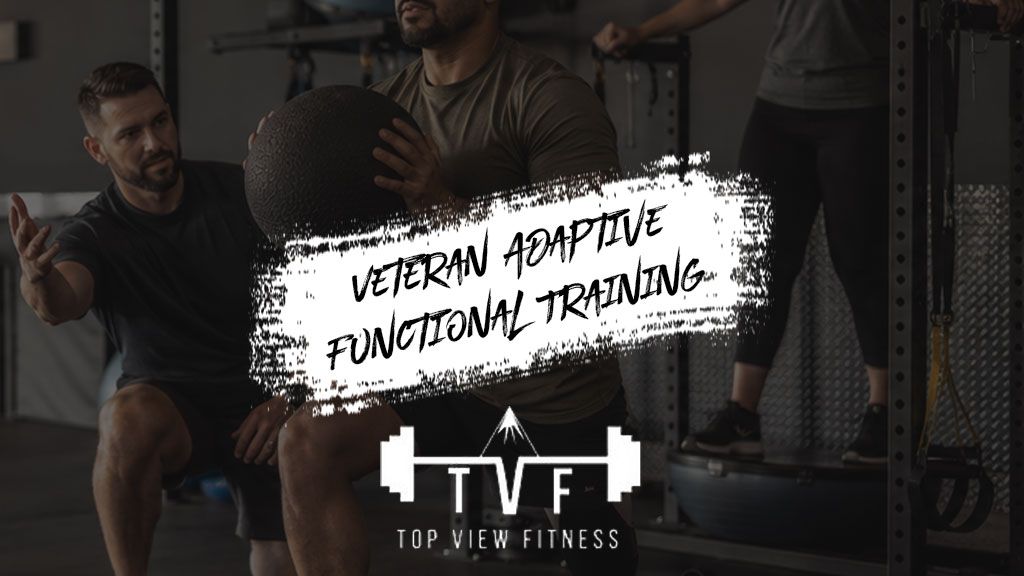
Functional Training for Veterans and Adaptive Sports Program in El Paso
A functional training and adaptive sports program helps veterans develop practical strength, mobility, coordination, and confidence through coached exercises modified to individual abilities. In El Paso, the right program should include an initial assessment, appropriate adaptations, safe progression, qualified coaching, and a clear path toward everyday, recreational, or competitive goals.
Unlike a standardized military workout, adaptive functional training begins with the person rather than a fixed exercise list. A coach may adjust the starting position, equipment, resistance, pace, range of motion, or movement pattern while preserving the exercise’s purpose. Consequently, veterans with different abilities and experience levels can work toward meaningful goals without following the same routine.
Adaptive fitness is not medical treatment, physical therapy, or occupational therapy. Veterans with new symptoms, recent surgery, or medical restrictions should consult an appropriate healthcare professional before starting. Those ready for exercise can use individualized coaching to build strength and physical capacity beyond the clinical setting.
Call Top View Fitness at 915-867-1636 to discuss available coaching options, accommodations, scheduling, and whether the training environment fits your needs.
What Should an Adaptive Fitness Program Include?
A credible program should explain how participants are assessed, coached, and progressed. Additionally, it should provide clear information about qualifications, accessibility, equipment, safety, and cost. Broad statements such as “training for everyone” are not enough when someone requires specific accommodations.
| Consideration | What to Look For | Question to Ask |
|---|---|---|
| Assessment | Review of goals, experience, abilities, and training needs | What happens during my first visit? |
| Coaching | Individual instruction from someone with relevant experience | Who will coach me? |
| Adaptations | Exercises modified without losing their training objective | How can movements be adjusted for me? |
| Accessibility | Usable entrances, training areas, restrooms, and equipment | May I tour the facility first? |
| Progression | Measurable changes in strength, control, endurance, or skill | How will progress be evaluated? |
Therefore, the best program is not automatically the most intense or expensive option. Instead, it is the one in which the coaching, environment, adaptations, and progression plan align with the participant’s abilities and goals.
What Can Functional and Adaptive Training Include?
Functional training develops movement patterns that support everyday responsibilities, recreation, and athletic performance. For example, a veteran may want to handle household tasks more confidently, improve conditioning for an adaptive-sports event, or return to consistent exercise.
- Seated or standing strength exercises
- Modified pushing, pulling, carrying, and reaching
- Balance, stability, and coordination activities
- Cardiovascular conditioning adjusted for ability and pace
- Sport-specific strength and movement preparation
Two veterans may share an upper-body strength goal but require different methods. One might perform a standing cable press, while another uses a seated resistance-band variation with added trunk support. Although the exercises look different, both can train the same pushing pattern.
What this means: adaptation does not necessarily make training easier. Instead, it makes the movement appropriate, usable, and measurable. Progress may involve additional resistance, better control, more repetitions, longer work periods, or increasingly complex movements.
Who Is Adaptive Functional Training Best For?
Adaptive functional training is best for veterans who want individualized exercise, need movement or equipment modifications, and can participate safely outside a clinical rehabilitation setting.
It may suit veterans returning to structured exercise, beginners wanting close guidance, older adults pursuing practical strength, and adaptive athletes preparing for recreation or competition. Similarly, it can help experienced trainees whose previous routines no longer match their current abilities or priorities.
However, someone experiencing new or unexplained pain, dizziness, shortness of breath, loss of function, or other concerning symptoms should obtain appropriate medical guidance. Physical or occupational therapy may be the better first step when the immediate need involves diagnosis, postoperative rehabilitation, or treatment of a medical condition.
Adaptive Coaching vs. a Traditional Gym or Rehabilitation
| Option | Primary Purpose | Best Fit | Limitation |
|---|---|---|---|
| Adaptive coaching | Individualized strength, conditioning, and performance | People needing modifications, instruction, and accountability | Does not diagnose or treat medical conditions |
| Traditional gym | Independent equipment access | People able to plan and manage their own training | Limited individualized supervision |
| Clinical rehabilitation | Medical evaluation and treatment | People requiring care from a licensed clinician | May not provide ongoing performance coaching |
Choose adaptive coaching when you need individualized instruction; choose a traditional gym when you can train independently; choose clinical rehabilitation when you require evaluation or treatment from a licensed healthcare professional.
These options can sometimes complement one another. For example, a veteran may complete physical therapy, participate in a community adaptive sport, and use individualized coaching to continue developing strength. The VA National Veterans Sports Programs and Wounded Warrior Project Adaptive Sports offer additional information and veteran resources. Mentioning these organizations does not imply that Top View Fitness is affiliated with or endorsed by them.
What Happens During an Initial Assessment?
An assessment should identify the participant’s goals, training history, current abilities, and relevant access needs. Next, the coach may observe foundational patterns such as pushing, pulling, reaching, balancing, or changing positions. The objective is not to diagnose a condition. Instead, it is to select an appropriate starting point and establish measurable progression.
Ask whether the assessment is included in the price, when reassessments occur, and what happens if an exercise is inaccessible or uncomfortable. A trustworthy coach should be able to explain the purpose of each movement and offer an appropriate alternative.
What Safety and Coaching Questions Should You Ask?
The phrase “veteran-friendly” does not prove adaptive-training expertise. Therefore, verify the coach’s qualifications and direct experience with participants whose needs resemble yours.
- What relevant certifications and adaptive-coaching experience do you have?
- How do you select and modify exercises?
- Which equipment and facility accommodations are available?
- How do you measure and document progress?
- What emergency procedures are in place?
Additionally, tour the facility before enrolling. Actual access to entrances, restrooms, training areas, and equipment matters more than a general accessibility statement.
How Much Does Adaptive Functional Training Cost?
Cost depends on individual versus group coaching, session duration, frequency, assessment requirements, program design, and included services. Consequently, compare the complete value rather than an advertised monthly number alone.
Request the total price, cancellation policy, reassessment schedule, and additional fees in writing. Furthermore, verify military discounts, insurance reimbursement, VA assistance, or community funding directly because availability and eligibility can vary.
Adaptive training may be worth the cost when the coach’s experience, facility access, available modifications, and progression plan match a specific personal or athletic goal.
How Should You Evaluate Top View Fitness?
Top View Fitness offers military fitness training, sports performance, one-on-one personal training, and other coached programs in El Paso. However, prospective participants should confirm that the exact adaptive program, appropriate coaching, equipment, and required facility accommodations are currently available.
- Who would conduct my assessment and coach my sessions?
- What relevant adaptive-training experience does that coach have?
- Can the facility accommodate my access and equipment needs?
- Is training individual, group-based, or available in both formats?
- What does the complete price include?
- How will my progress be measured?
Call 915-867-1636 or visit Top View Fitness at 10770 Montana Ave., El Paso, TX 79935, to discuss your goals and verify current program availability, accessibility, scheduling, and pricing.
What Should You Do Before Starting?
- Define a practical, fitness, or athletic goal.
- Identify relevant mobility, access, or communication needs.
- Obtain medical guidance when appropriate.
- Verify the coach’s qualifications and experience.
- Tour the facility and discuss exercise modifications.
- Request complete prices and policies in writing.
Ultimately, choose a program based on evidence, individual fit, and transparent answers—not marketing language alone.
Frequently Asked Questions
What is functional training for veterans?
Functional training uses exercises that support everyday movement, recreation, or athletic performance. A coach can modify movements, resistance, equipment, and starting positions according to the veteran’s abilities and goals.
Do I need adaptive-sports experience to begin?
No. Beginners can start with an assessment and foundational exercises. However, the program should explain how movements will be adapted and how training will progress.
Is adaptive fitness the same as physical therapy?
No. Adaptive fitness focuses on exercise and performance. Physical therapy evaluates and treats medical conditions through care provided by a licensed clinician.
Do I need a VA referral or medical clearance?
A private fitness program may not require a VA referral. Nevertheless, medical clearance may be appropriate when health history, symptoms, surgery, restrictions, or a clinician’s instructions could affect safe participation.
Does Top View Fitness currently offer this exact program?
Call 915-867-1636 to verify the program’s current availability, assigned coach, accessibility, equipment accommodations, session format, schedule, and pricing before enrolling.
Ready to explore your options? Contact Top View Fitness to discuss your goals, ask questions, and determine whether an available coaching program is the right fit.